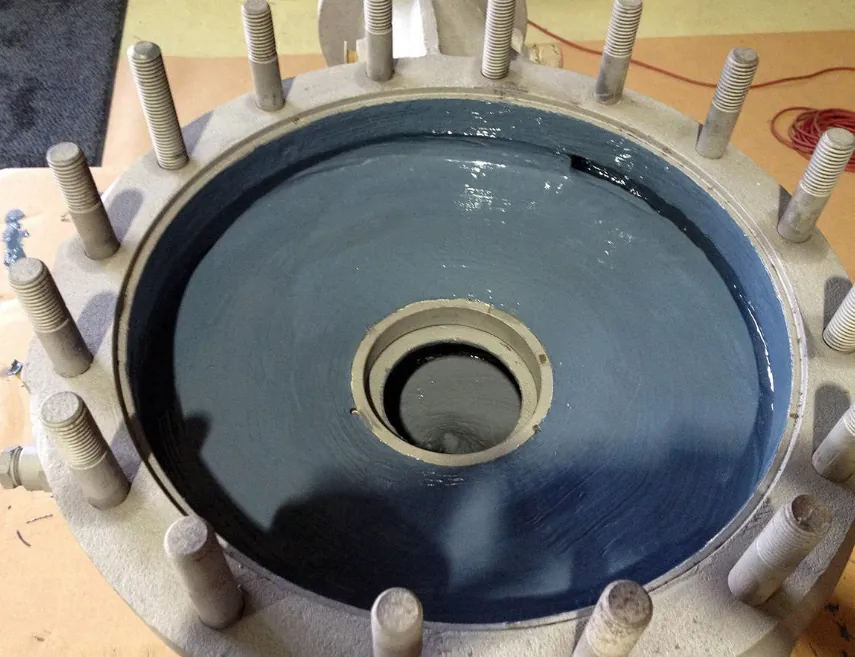
Brushable Ceramic Coatings
What is a Brushable Ceramic Coating?
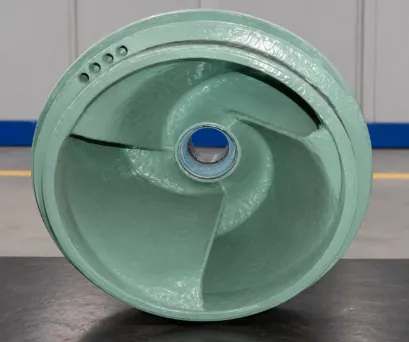
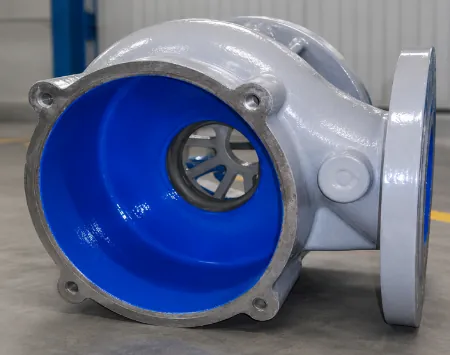
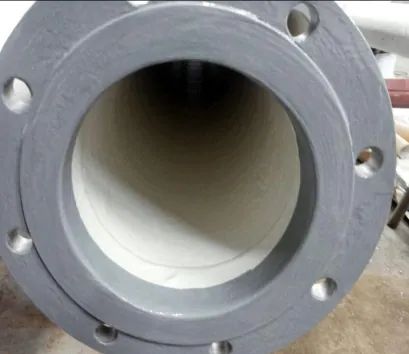
Brushable ceramic coatings are high-performance protective coatings filled with ceramic particles and applied using a brush, roller, or spatula. These coatings are mainly used to protect industrial equipment from:
- Erosion
- Abrasion
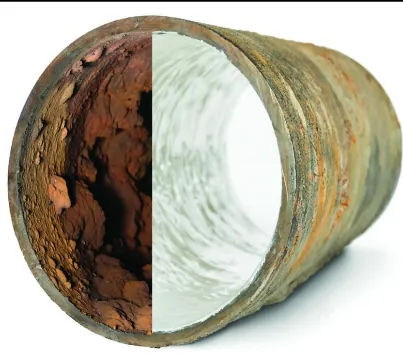
- Corrosion
- Cavitation
- Chemical attack
They form a hard, smooth, wear-resistant barrier over metallic surfaces and are widely used in pumps, pipelines, valves, elbows, tanks, and slurry handling equipment.
Key Features
Excellent Erosion Resistance
Protects surfaces against high-velocity particles, slurry flow, and abrasive wear.
High Build Coating
Can achieve thick coating layers in a single application.
Typical thickness: 500 microns to 5 mm
Strong Adhesion
Bonds effectively to:
- Carbon steel
- Stainless steel
- Cast iron
- Alloy steel
Chemical Resistance
Resists:
- Salt water
- Acids
- Alkalis
- Hydrocarbons
- Process chemicals
Smooth Surface Finish
Reduces turbulence and improves fluid flow efficiency.
Common Industrial Applications
Oil & Gas Industry
- Pipelines
- Separator vessels
- Produced water systems
- Pump casings
Mining Industry
- Slurry pumps
- Cyclones
- Chutes
- Hoppers
Power Plants
- Ash handling systems
- Fan housings
- Ducting systems
Marine Industry
- Ballast tanks
- Pump internals
- Seawater systems
Aerospace Industry
- Air intake systems
- Turbine components
- Erosion-prone surfaces
Application Procedure
Surface Preparation
- Degrease surface
- Abrasive blast to Sa 2.5
- Surface profile: 50–100 microns
Mixing
Mix resin and hardener according to manufacturer instructions.
Application
Apply using:
- Brush
- Roller
- Trowel
Curing
Typical curing time:
- Touch dry: 4–8 hours
- Full cure: 24–72 hours
Advantages
- Extends equipment life
- Reduces maintenance cost
- Excellent wear protection
- Easy onsite repair
- Cost-effective solution
- Reduces downtime
Ceramic coatings can be applied using different methods depending on the service condition, coating thickness, and component geometry.
The two most common field application methods are:
Brushable Ceramic Coatings
Spray Ceramic Coatings
Brushable and spray ceramic coatings play a vital role in protecting industrial equipment from severe erosion, abrasion, and corrosion. Their ability to extend service life, reduce maintenance costs, and improve operational reliability makes them an essential solution across industries.
Brushable ceramic coatings are ideal for localized repairs, high-build protection, and onsite maintenance, while spray ceramic coatings are better suited for large surfaces, uniform coverage, and high-performance applications.
In erosion-intensive environments such as oil & gas, mining, power generation, marine, and aerospace industries, ceramic coatings provide a durable and cost-effective protective barrier capable of withstanding aggressive operating conditions.
With continuous advancements in coating technology, ceramic coatings are expected to become even more efficient, versatile, and widely adopted in future industrial applications.